
Legal Advice for Artists
.
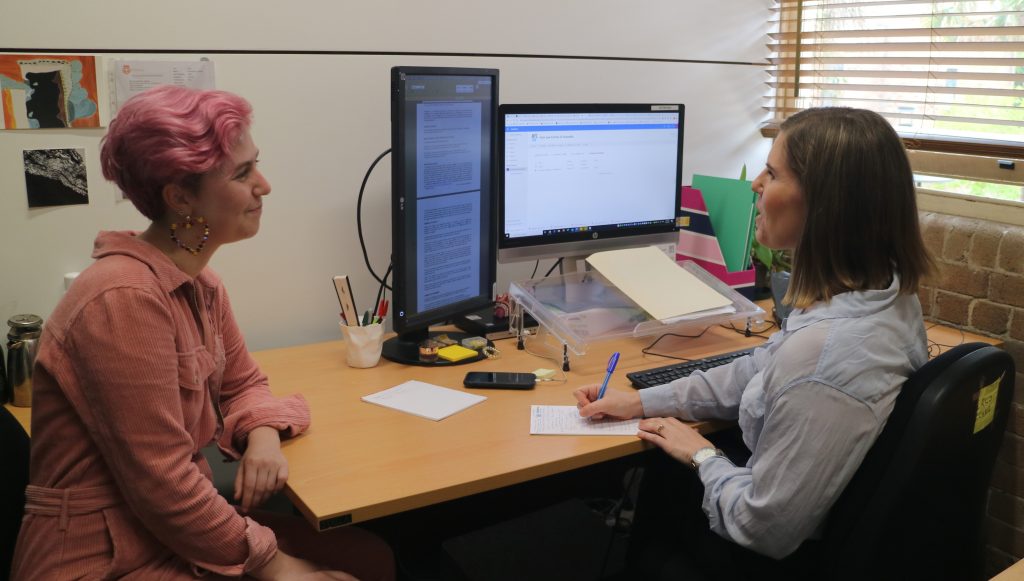
We believe all artists should have access to free and affordable legal services. Arts Law can help make sure your contracts are fair, help you understand your rights and avoid risk. Getting legal advice about your creative practice means you can take advantage of opportunities.
Visual artists, musicians, performers, writers, and other creators are all eligible to receive advice from Arts Law. We can give you advice about issues relating to your practice or creative business. Arts organisations of all kinds are also eligible for advice from Arts Law.
Our legal advice is given over the phone in a private one-on-one call. You’ll be able to ask the lawyer questions and get professional legal advice about your situation.
About Our Legal Advice Services
Our Telephone Legal Advice is an opportunity to talk one-on-one to an Arts Law lawyer.
This service allows you to get specific advice on an issue that is impacting your arts practice. You can also ask general questions about legal issues that relate to your arts practice in a confidential setting.
Telephone Legal Advice is available free. Arts Law subscribers can also access this service.
You can get specific advice about your contract, emails, manuscript, video or recording as part of our Document Review Service. A lawyer will review your document and give you advice over the phone.
A Document Review can help you to understand your contract and make sure your rights are protected.
Our Document Review Service is available to Arts Law subscribers.
Best Practice advice helps organisations work with artists to build strong, fair relationships. We can give best practice advice about copyright, contracts, working with Aboriginal and Torres Strait Islander artists and more.
Best Practice advice is available to eligible Arts Law subscribers.
You may need legal services that Arts Law doesn’t offer, for example, document drafting or legal representation. If this happens, we can refer you to a private lawyer with the expertise to help you.
Any costs will need to be agreed between you and the private lawyer.
Arts Law can help you resolve a dispute through our Alternative Dispute Resolution referral service.
You can access experienced and affordable mediators to help you deal with disagreements. Mediation can help you restore relationships and avoid going to court.
Alternative Dispute Resolution services are available to Arts Law subscribers. There may be further costs involved.
Artists in the Black is a dedicated service of Arts Law for Aboriginal and Torres Strait Islander artists and communities. We provide Aboriginal and Torres Strait Islander artists, arts organisations and businesses with legal advice, resources and professional development opportunities. Artists in the Black services are free to access for Aboriginal and Torres Strait Islander artists.
We provide all these services in a culturally safe and appropriate way.