How the Government’s AI Plan Could Affect Artists and the Art Market

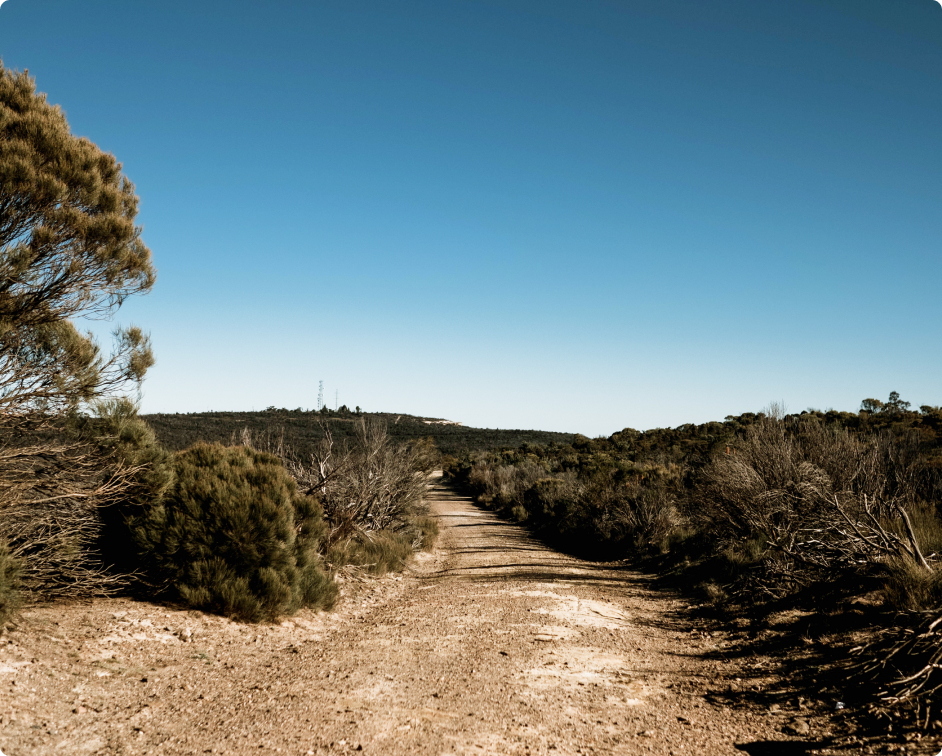
Photo by julien Tromeur on Unsplash

After the Australian government’s recent statement that protecting creative industries from AI risks would be a national priority, the long-anticipated government AI plan has been released. The plan promises to balance competing considerations of technological advancement and labour market health.

In practice, this will start with AI engagement in government, while also providing skills training in schools and for public service employees. Investment into AI tech and data centres will also continue, following the Productivity Commission’s recommendation that mandatory guardrails would hinder innovation and investment. A $30 million dollar safety institute will begin next year to monitor developments and advise government on risk and emerging legal gaps. The focus is on “capturing the opportunity of AI, broadening our safe and responsible use of this technology while building public trust and confidence”. 

Missing from this plan are the mandatory guardrails many creators were hoping for. Specifically, mandatory guardrails for high-risk AI technology. The government has decided against new legislation, and objections are already being raised. Considering the many concerns creators, academics and legal professionals have raised across jurisdictions, will the government’s reliance on company transparency be to the benefit or detriment of the Australian public? 

Will these tech companies act in their own self-interests, or will they act in the best interest of the public? If the goal of the government is to enable responsible use, how can we ensure that tech companies will be more concerned with ethics than with profit margins?  In encouraging the public sector to “embrace” AI, what does this mean for creators’ intellectual property rights? Will they continue to be at risk? Will there be an effective manner of asserting these rights?
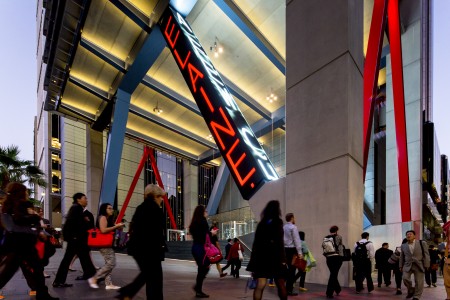
Last month, the University of Sydney hosted a conference on topics in relation to Art and Antiquities Crime. 19 papers were presented over the course of two days. The conference was multi-disciplinary, presenting research and advancements on key topics, including heritage, authentication, looting, and cultural property markets. 

This paper was presented at the Art and Antiquities Crime Conference at the University of Sydney on 22 November 2025. 

Authenticity sits at the heart of art market value, yet it is one of the most opaque and unstable concepts in practice. Art crimes like forgery, fraud, theft, or illicit trafficking all exploit and underscore authenticity’s stability. Further, where an individual or organization acquires an artwork that is later discovered to be deficient in some way, whether physically or with regards to its supporting documentation, actions available to aggrieved parties are limited. Academics have argued that this limitation is largely the consequence of art market opacity. 

We value art based on a variety of factors, and these values are at risk. The paper argues that art market opacity is dangerous because of how art market pricing and transactions occur. Briefly, art pricing involves a broad swathe of considerations, and it treats authenticity as an intrinsic value. Art pricing depends on the market, which depends on its players. Authenticity weaves itself throughout; in what we value, how we value, and how we protect those values. The presence of authenticity can help determine or refute. In its presence, or its concealment, authenticity depends on human perception, which is fallible.

Within the art market, players transact behind smoke and mirrors. Transactions within the art world are hidden; everything from pricing history to provenance may not necessarily be disclosed. Even buyer and seller identities can be hidden. Where reported, some information may be duplicitous. Add to this the intricate interrelationships between art market insiders, and we have a system that is constantly moving – hidden from scrutiny. 

This presents opportunities for dubious parties to take advantage. Academics have noted that art market demand, irresponsible guardianship [of artworks], and market pricing create the perfect storm for dubious parties to take advantage of these circumstances.  

The implications are broad – forgery and fraud have impacted and will continue to impact all areas of the art market. With AI, there is incalculable risk to the secondary market. In the hands of dubious actors, in a system that is largely unregulated, AI will impact not only the art market, but the foundation of art history itself.